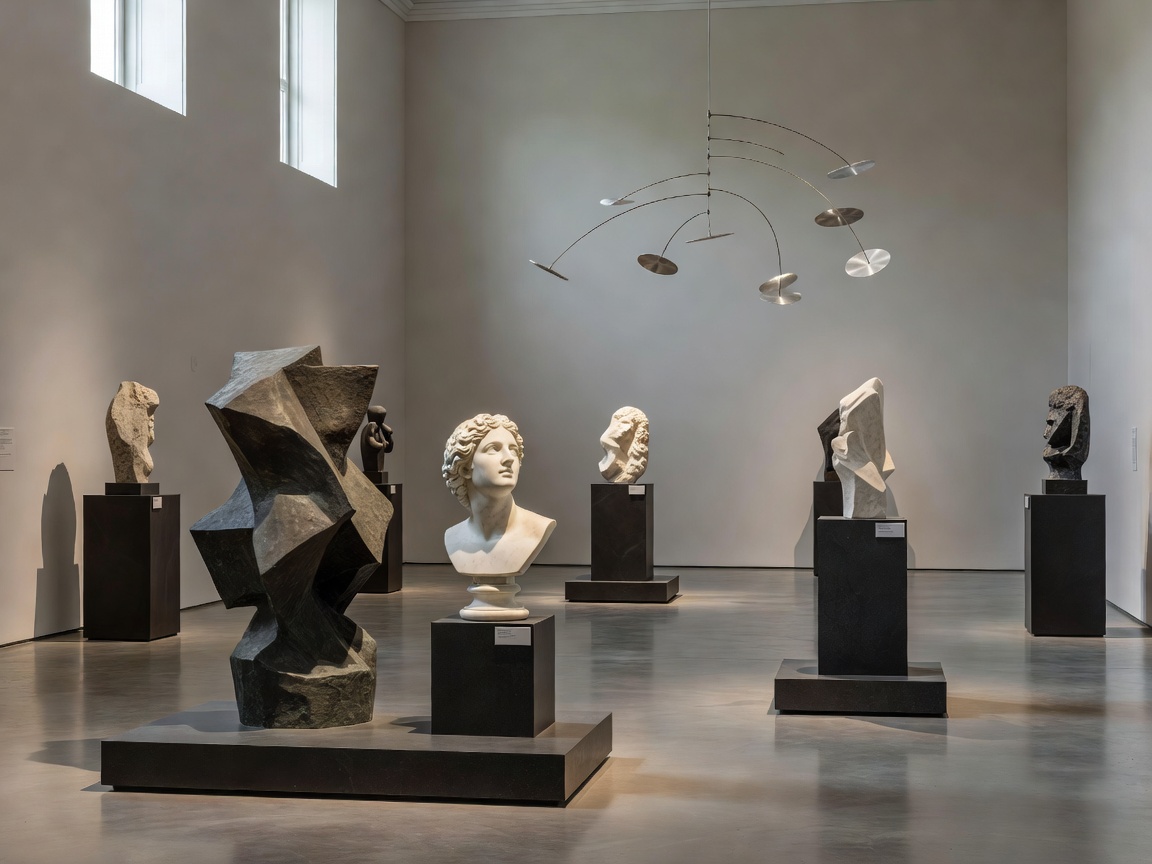
Light leaves a history
Illuminance and exposure duration belong together. A light-sensitive object needs more than a spot reading.
Understand light exposure →The collection climate salon
A painted panel, a ceramic vessel and a photograph share a gallery. They do not necessarily share the same environmental experience.
Discover what sensors can tell us about their immediate surroundings—and where conservation judgement must begin.
Explore the collection climate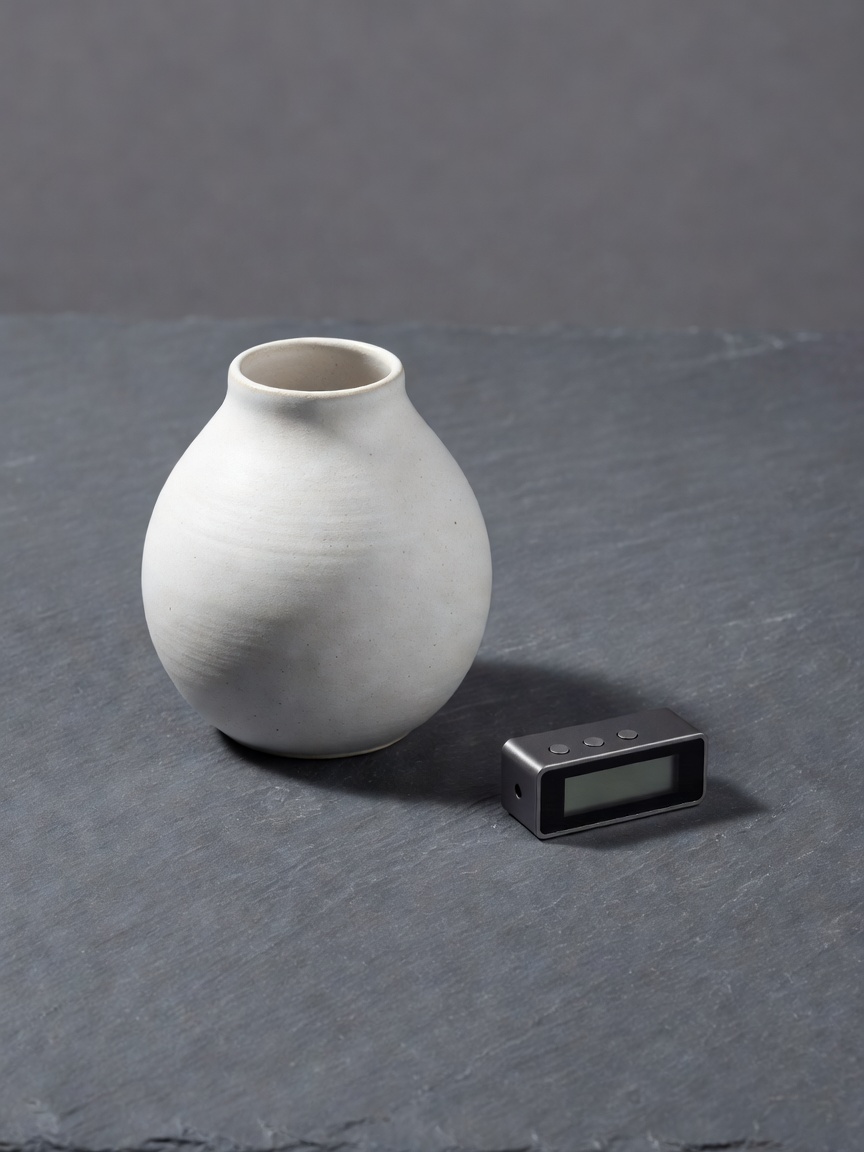
01 / Position before precision
A logger near a doorway may describe visitor movement better than the air inside a cabinet. Begin with the question, then choose the measuring position.
Compare a representative room location with the enclosure or vulnerable zone that actually matters.
Read Listening Near the Collection →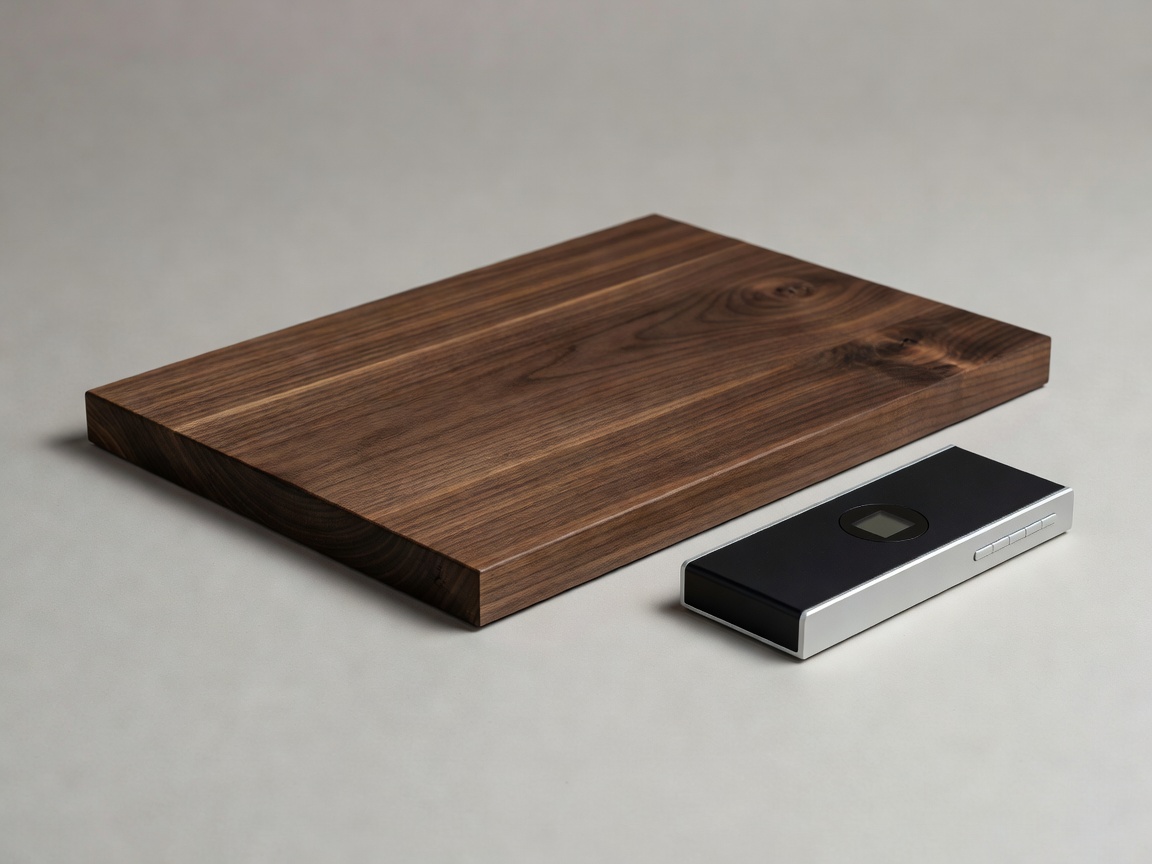
02 / Relative humidity
Wood, paper and adhesives exchange moisture with their surroundings. Their response depends on construction, condition and the duration of change.
Learn why relative humidity must be read alongside temperature, and why a reassuring average can conceal a troubling cycle.
Read Moisture in Motion →
03 / Thermal behaviour
A light fitting, a sunny wall or an air supply can change an object's surroundings without changing the whole room equally.
Separate air temperature from surface temperature, then follow the timing of change before deciding what needs attention.
Read The Shape of Thermal Change →04 / A wider field of attention
Illuminance and exposure duration belong together. A light-sensitive object needs more than a spot reading.
Understand light exposure →Particles, reactive pollutants and moisture can interact with cases, furnishings and collection surfaces.
Look beyond room air →
Occupancy signals, leak alarms and vibration measurements answer different questions. Match the instrument to the suspected mechanism.
Read More Than Warm or Dry →05 / A measured response
Record location, interval, instrument identity and collection context.
Compare sensors, inspect timestamps and investigate unexpected values.
Connect trends with material vulnerability, condition and recent events.
Agree a proportionate intervention, document it and monitor the result.
Measurements are evidence. They are not universal climate prescriptions or substitutes for an object's conservation assessment.
06 / Further conversation
Do wireless sensors stay accurate? How often should a logger record? What does a spike actually mean?
Visit the FAQ →Independent explanations, carefully bounded claims and an emphasis on the space immediately around collections.
About our approach →Prepare a question at our writing desk. Inspect, copy or download your note without transmitting it.
Go to the writing desk →